


Ceramic Coating Wax: What It Does for Your Paint
Seattle rain does not ruin paint by itself. What gets vehicles is the mix that stays on the surface afterward: road film, gritty spray, tree sap, pollen, bird droppings, and mineral-heavy water spots. Ceramic coating wax can help your vehicle shed water and look freshly detailed between washes, but the name causes plenty of confusion. It is not automatically the same thing as a professionally installed ceramic coating.
If you are trying to keep a daily driver, family SUV, truck, or weekend toy looking sharp through Pacific Northwest weather, the right choice depends on your paint condition, parking situation, washing habits, and how long you want protection to last. Here is the straight answer on what ceramic coating wax does, where it fits, and when a real coating makes more sense.
What Is Ceramic Coating Wax?
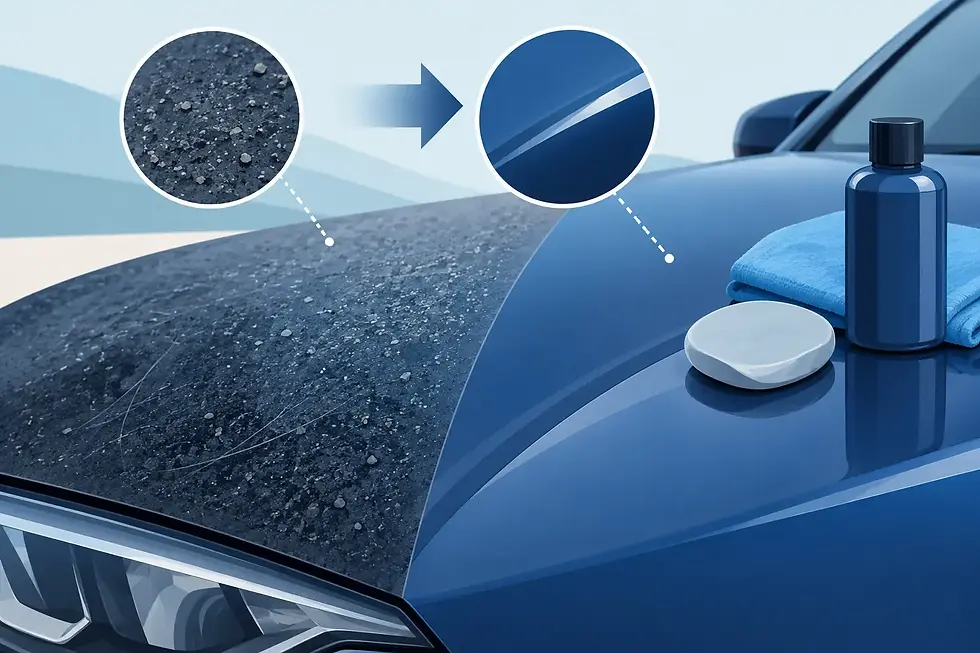
Ceramic coating wax is usually a paint protectant that combines traditional wax or synthetic sealant ingredients with ceramic technology, most often silicon dioxide, also called SiO2. It is designed to leave behind a slick, glossy layer that helps water bead up and roll away.
The big appeal is simple: it is faster and less expensive than a full ceramic coating. Some products go on like a paste wax, while others are spray-on protectants used after washing or as a drying aid. Either way, they can make paint feel smoother, add noticeable shine, and reduce how strongly fresh dirt clings to the surface.
That does not mean the product is fake or useless. It means the word “ceramic” is doing a lot of work on the label. A ceramic-infused wax is a short-term maintenance product. A professional ceramic coating is a more durable chemical protection system that is applied to properly prepped paint and allowed to cure.
Ceramic Coating Wax vs. a True Ceramic Coating
The difference comes down to durability, preparation, and performance under real-world conditions.
Ceramic coating wax typically lasts weeks to a few months, depending on the product, weather, vehicle storage, wash method, and how often the vehicle is driven. Rain, frequent washing, strong cleaners, and Seattle-area road grime can shorten that window. It gives you a nice gloss boost and water behavior, but it gradually wears away.
A true ceramic coating is installed after the paint is thoroughly cleaned and decontaminated. For the best finish, paint correction is often performed first to remove or reduce swirl marks, light scratches, oxidation, and dullness. The coating bonds to the surface, cures, and provides longer-term chemical resistance, easier cleaning, and durable hydrophobic behavior.
Neither option makes your paint invincible. A coating will not stop rock chips, prevent every scratch, or eliminate the need for washing. It is protection, not a force field. But compared with wax, a professionally applied coating holds up far better against UV exposure, traffic film, bug splatter, bird droppings, sap, and repeated wash cycles.
Where wax wins
Ceramic wax is a smart option when you want quick visual improvement without committing to correction work or a long-term coating. It works well for newer vehicles with paint already in decent shape, lease returns, pre-sale cleanups, and owners who enjoy washing their own car regularly.
It is also useful as a maintenance topper. If your vehicle already has a ceramic coating, a compatible ceramic spray wax can refresh water beading and boost gloss after a proper wash. The key word is compatible. Avoid layering random heavy waxes, oily dressings, or abrasive products on top of a coating just because the bottle promises shine.
Where a coating wins
A ceramic coating earns its keep when your vehicle sees hard daily use and you want cleaning to be easier for years rather than weeks. This is especially true for black paint, dark colors that show every swirl, vehicles parked outdoors, commuters traveling I-5 or Highway 99, and larger SUVs or trucks that take longer to wash by hand.
A coating also makes sense when you are correcting paint first. There is little value in polishing out swirls and restoring clarity only to cover the finish with a short-lived wax. Once the paint has been brought back, protecting that corrected surface with a quality coating is usually the better long-term move.
What Ceramic Wax Can and Cannot Do
Ceramic wax has a place in a good maintenance routine, but realistic expectations matter. It can improve gloss, create satisfying water beads, add slickness, and make regular washes less of a fight. It may also provide light protection from environmental contamination if it is applied consistently.
It cannot fill deep scratches, repair clear coat failure, remove etched water spots, or correct neglected paint. If your hood feels rough after washing, that is likely bonded contamination. If it looks hazy in the sun, you may be dealing with oxidation or swirls. Wax can make those issues look a little better temporarily, but it will not fix them.
Beading is not the only measure of protection, either. Water can bead aggressively on a dirty surface. What matters is whether the paint has been properly cleaned, whether contamination comes off safely, and whether the protection remains after normal driving and washing.
How to Get Better Results From Ceramic Coating Wax
The prep work matters more than most people expect. Applying wax over dirty paint can seal in grime and leave the finish looking streaky or uneven. At minimum, wash the vehicle thoroughly, including lower panels, wheels, and the rear hatch or trunk area where road film builds up.
Dry it fully before applying the product. Water hiding behind mirrors, trim, door handles, and emblems can drip onto fresh wax and create streaks. Work on cool paint in the shade whenever possible. Hot panels make products flash too quickly, which makes removal harder and can leave residue behind.
Use a clean applicator and apply a thin, even coat. More product does not equal more protection. Thick coats waste product, take longer to buff off, and can leave smears that show up the moment the sun hits the paint. Follow the product directions for cure time, then remove residue with a clean microfiber towel.
For a spray ceramic wax, use fewer sprays than you think you need. One or two sprays per panel is often plenty. Spread it evenly with one towel, then level any remaining residue with a second dry towel. If the finish feels grabby after application, you probably used too much product or applied it to a panel that was not fully clean.
The Pacific Northwest Maintenance Reality
A protected vehicle still needs regular washing. Letting grime sit through weeks of rain is not maintenance. Road salt alternatives, brake dust, sap, moss spores, and oily traffic film can build up on lower doors, rocker panels, bumpers, and wheels even when the rest of the car looks clean.
For most daily drivers around Seattle and Everett, a gentle wash every two to four weeks is a reasonable target. Wash sooner after a road trip, heavy pollen, bird droppings, or tree sap. If you use an automatic wash, choose touchless when possible. Brush tunnels can quickly add swirls, especially on dark paint.
A pH-balanced shampoo, quality microfiber towels, and clean wash media will do more for your finish than chasing the latest miracle bottle. Ceramic wax is helpful, but it performs best as part of a routine rather than as a replacement for one.
When Professional Prep Is Worth It
If your paint has swirls, haze, scratches, overspray, heavy contamination, or years of neglected wash marks, start with an honest inspection. Sometimes a thorough exterior detail and decontamination is enough. Other times, one-step or multi-step paint correction is the right path before adding protection.
This is where professional service can save time and prevent expensive mistakes. Aggressive polishing, harsh chemicals, and improper coating application can create more problems than they solve. At Slide In Mobile Detailing, the goal is not to sell every vehicle the biggest package. It is to match the paint condition and your goals with the right level of correction and protection.
Ceramic coating wax is a solid tool for keeping a clean vehicle looking glossy between details. If you want a deeper reset, longer-lasting protection, and paint that is easier to maintain through another wet Northwest season, start with the condition of the paint - then choose the protection that actually fits your vehicle.


Comments