


Auto Reconditioning That Brings Back Value
That faint wet-dog smell, the coffee drips baked into the console, and the gray film on your paint after a Seattle commute are not just cosmetic annoyances. They are signs your vehicle is due for auto reconditioning - a focused process that restores condition, improves comfort, and helps protect what is often one of your biggest investments.
A quick car wash has its place. So does a fast vacuum before a hot date or a weekend road trip. But when your vehicle has years of road grime, pet hair, tree sap, swirls, curb damage, dampness, or odors working against it, a true reconditioning service goes further. It addresses the areas that make a vehicle feel used, neglected, or harder to sell.
What Auto Reconditioning Actually Means
Auto reconditioning is not one single service. It is a practical combination of deep cleaning, cosmetic restoration, correction, and protection based on what your vehicle needs right now. The goal is not to pretend every car is brand new. The goal is to make it cleaner, sharper, healthier, and easier to maintain while improving the parts that affect its appearance and value.
For one commuter vehicle, that might mean a thorough interior detail to remove salt residue, food crumbs, stains, and a lingering moisture smell. For a family SUV, it may involve pet-hair removal, shampooing, odor treatment, and restoring faded exterior trim. For an enthusiast-owned vehicle, the work can include paint correction to reduce swirls and bring back gloss, followed by ceramic protection for longer-term defense.
The right plan depends on vehicle size, condition, material type, and how the vehicle is used. A lightly used sedan and a three-row SUV that handles school drop-offs, muddy cleats, and two dogs are not going to need the same amount of labor. Honest reconditioning starts by setting that expectation upfront.
Why Pacific Northwest Vehicles Need More Than a Wash
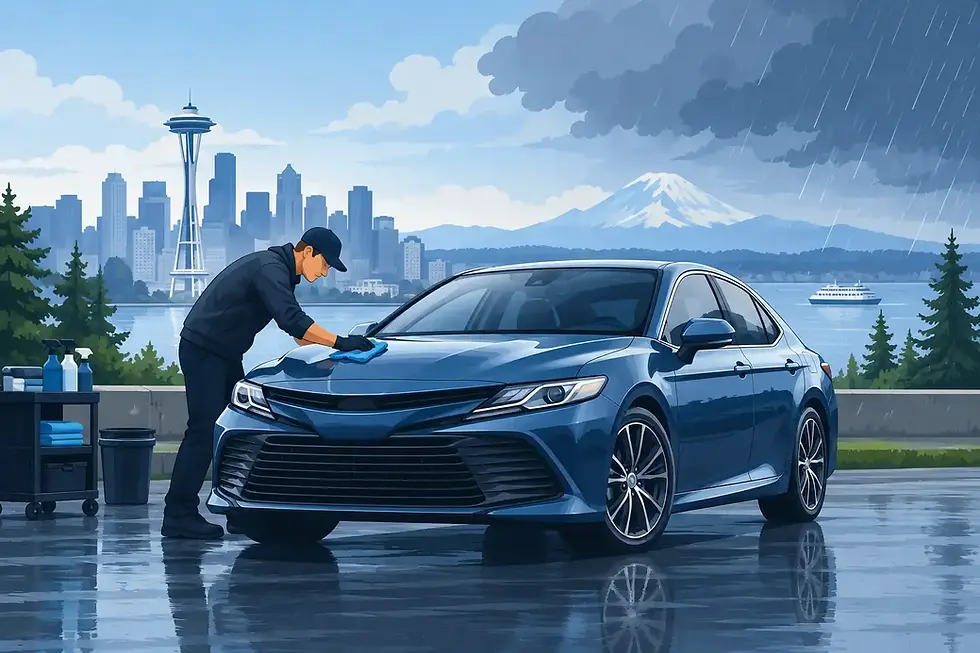
Seattle and Everett vehicles work hard. Rain is not the only issue. Road film, brake dust, tree sap, pollen, bird droppings, moss spores, moisture, and winter grime can build up fast. Even when a car looks mostly clean from ten feet away, contamination can be sitting in paint pores, wheel barrels, door jambs, carpets, and air vents.
Damp interiors deserve special attention. Wet jackets, umbrellas, sports gear, and leaking drink containers can create stubborn odors or, in more serious cases, mold growth. Spraying fragrance over the top does not solve that problem. A proper odor service may require deep extraction, targeted cleaning, enzyme treatment, or ozone treatment after the source has been addressed.
Exterior paint takes its own beating. Automatic washes, improper wash tools, and accumulated grime can leave fine scratches and swirl marks that make dark paint look dull in direct light. Paint correction can improve that finish substantially, but results depend on paint condition and clear-coat thickness. Some defects can be safely reduced. Deep scratches that catch a fingernail may require touch-up work, repainting, or simply realistic expectations.
The Areas That Make the Biggest Difference
A smart auto reconditioning appointment focuses on the high-impact areas first: interior touch points, paint condition, wheels, trim, glass, and odor sources. Those are the places owners see and feel every day.
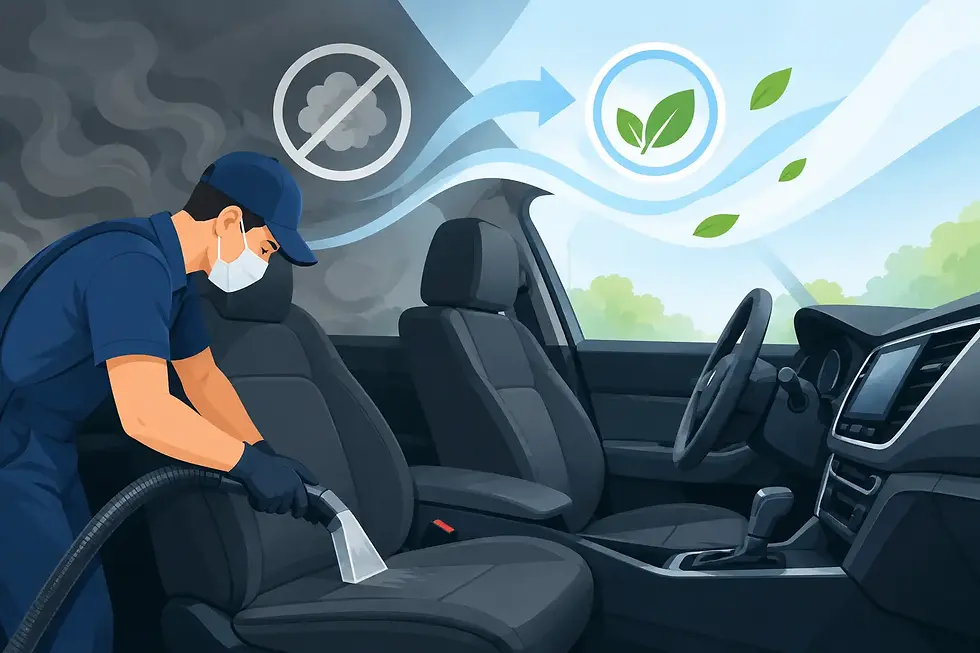
Inside the cabin, the work often starts with a serious vacuum, compressed-air cleaning, crevice work, and a full wipe-down of hard surfaces. Then comes the condition-specific part. Fabric seats and carpets may need shampooing or extraction. Leather needs cleaning and appropriate conditioning. Sticky cupholders, door panels, seat tracks, headliners, and vents all require different techniques. Heavy pet hair and excessive debris take more time than a standard maintenance interior, which is why reputable detailers identify condition surcharges before work begins.
Outside, the difference between a basic wash and reconditioning is in the decontamination and correction. A professional wash removes loose dirt safely. Chemical and mechanical decontamination can remove bonded fallout, sap, and embedded contaminants. If the paint is in good shape, protection may be the next logical step. If it is hazy or swirled, polishing may come first so protection is applied over a clearer finish.
Wheels and trim matter more than most people think. Clean wheels instantly make a vehicle look cared for, while faded plastic trim can make a newer SUV look older than it is. Trim restoration, wheel coating, curb-rash repair, and brake-caliper painting are not necessary for every vehicle, but they can make a major difference when appearance is the priority.
Restoration and Protection Work Better Together
Reconditioning is most effective when restoration is followed by protection. Cleaning a stained carpet is useful. Protecting it from future spills makes the result easier to keep. Correcting paint brings back depth and reflection. Applying a quality sealant, wax, or ceramic coating helps preserve that improved finish.
Ceramic coatings are especially popular with owners who want easier maintenance and strong environmental protection. They can increase gloss and make it easier to wash away everyday grime, but they are not a force field. A coated vehicle still needs regular washing, especially after tree sap, bird droppings, and road salt exposure. Coatings also perform best when the paint is properly prepared first.
There is a trade-off to consider. A full paint correction and ceramic coating package costs more than an express detail, takes longer, and may not make sense for every vehicle. If you lease your car, plan to trade it soon, or simply need a clean reset after winter, a practical interior and exterior reconditioning service may be the better move. If you plan to keep a vehicle for years, invest in a high-end finish, or want to prepare it for show-level appearance, corrective polishing and long-term protection can be worth it.
When Reconditioning Is Worth the Investment
The best time for auto reconditioning is usually before the condition becomes overwhelming. Waiting until stains set, odors spread, or contaminants etch into paint can turn a straightforward service into a more involved restoration.
It is also a strong move before selling or trading in a vehicle. Buyers notice clean glass, fresh upholstery, clear headlights, glossy paint, and tidy door jambs immediately. A reconditioned vehicle photographs better, feels more valuable during a test drive, and signals that it has been cared for. It will not erase mechanical issues or guarantee a specific resale amount, but presentation absolutely affects first impressions.
Rideshare drivers, busy families, contractors, and pet owners can benefit from scheduled maintenance between deeper services. A maintenance clean prevents the vehicle from sliding back into heavy-condition territory. For many owners, a deeper seasonal appointment plus lighter upkeep visits is more realistic than trying to handle everything at once.
Choosing the Right Scope of Work
Before booking, be clear about what bothers you most. Is it the smell? The dog hair? The paint scratches? Cloudy headlights? The curb rash on your wheels? A good detailer should help you prioritize rather than sell you work you do not need.
Photos are useful for initial estimates, especially for stained interiors, mold concerns, excessive pet hair, large trucks, vans, RVs, trailers, boats, and specialty vehicles. But condition can look different in person, so the final scope may need adjustment after inspection. Clear pricing and honest communication matter here. Nobody likes surprises, especially when the surprise is hiding under a back seat.
For Seattle and Everett drivers, Slide In Mobile Detailing can bring the reconditioning process to your location or handle more involved work at the Everett shop. Whether your vehicle needs a practical reset or serious appearance recovery, start with the condition in front of you, protect the improvements you make, and enjoy driving something that feels like it belongs to you again.

Comments