


Detailing Car Wash: What Your Vehicle Really Needs
A detailing car wash should do more than make your vehicle look better for the drive home. Around Seattle and Everett, rain, road film, pollen, tree sap, wet shoes, coffee spills, dog hair, and everyday commuter use stack up fast. The right service removes the mess you can see, addresses the contamination you cannot, and helps your paint, interior materials, and resale value hold up over time.
The catch is that the phrase can mean very different things. One shop may call a quick vacuum and tunnel wash a detail. Another may spend hours cleaning, decontaminating, polishing, and protecting the vehicle panel by panel. Knowing the difference helps you book the service that actually fits your car, your schedule, and the condition it is in.
What a detailing car wash should include
A car wash is primarily about cleaning loose dirt from exterior surfaces. A detail is a more deliberate reconditioning service. It focuses on the paint, wheels, trim, glass, carpets, upholstery, cracks, vents, and high-touch areas that a standard wash either skips or cannot safely clean.
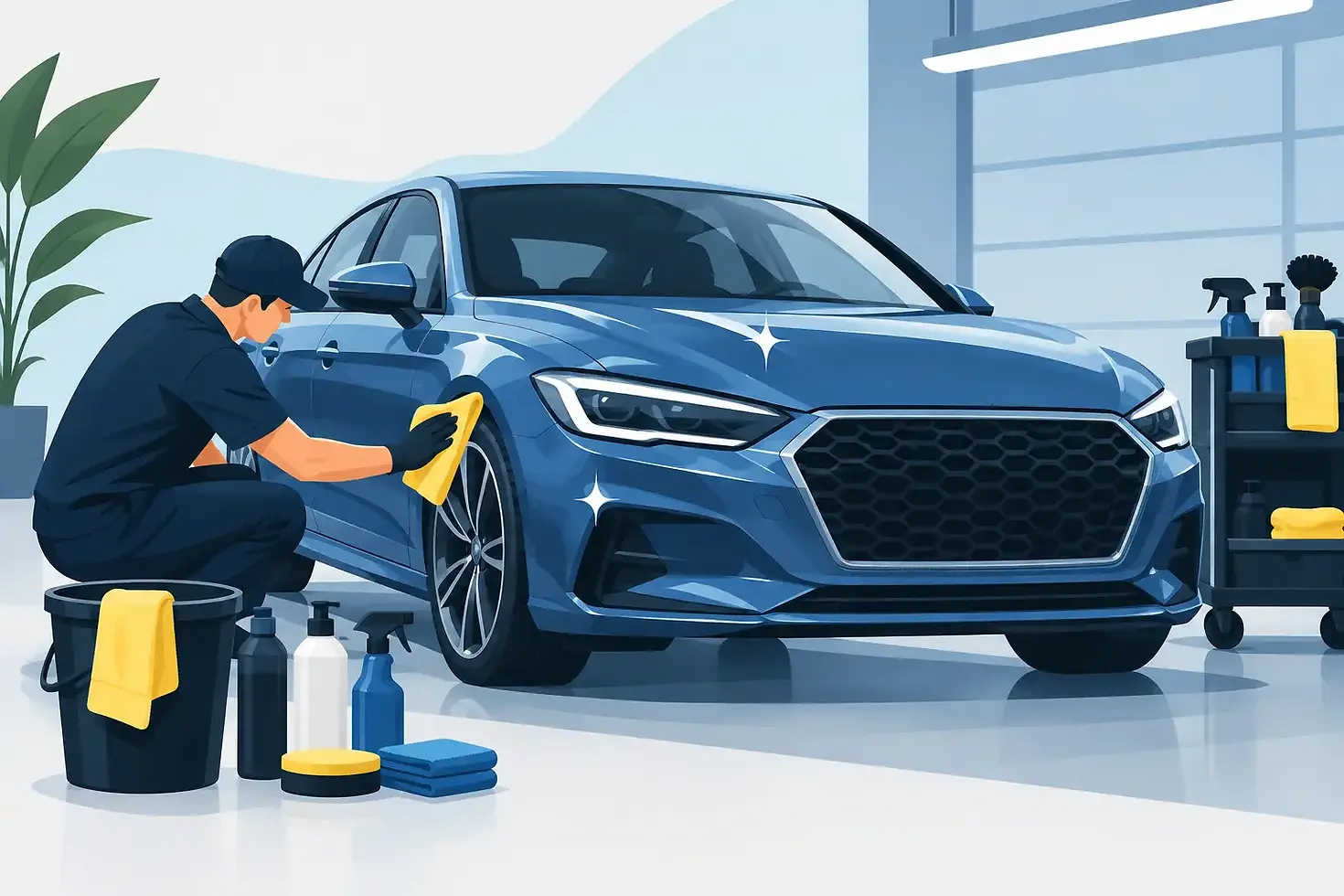
For a well-maintained daily driver, a quality detailing car wash may include a careful hand wash, wheel and tire cleaning, bug and road-grime removal, door-jamb wipe-down, interior vacuuming, dashboard and console cleaning, glass cleaning, and a protectant or spray sealant. That is a solid reset when the vehicle is dirty but not heavily neglected.
A true complete detail goes further. It may involve shampooing or steam-cleaning upholstery, extracting stains from carpets, cleaning seat tracks and cup holders, treating leather, removing embedded pet hair, decontaminating paint, polishing light defects, and applying longer-lasting protection. It takes more labor because it solves more than surface-level dirt.
That difference matters when you are comparing prices. A low-cost wash has its place, especially before a road trip or after a muddy weekend. But if your interior smells damp, your paint feels rough after washing, or your black trim has faded gray, the cheapest option is unlikely to correct the actual issue.
The Pacific Northwest makes basic washing harder
Seattle-area weather does not give vehicles much downtime. Rain itself is not the enemy, but rain carries road grime onto the lower panels, rear hatch, wheels, and rocker areas. Let that buildup sit, and it can dull the finish, stain trim, and make regular cleaning harder.
Tree sap and pollen are another local headache. Sap can bond to clear coat and glass, while pollen turns into a gritty film when it gets wet. Scrubbing either one with a dry towel is a quick way to add swirls. Proper washing uses lubrication, clean towels, and the right chemicals so contamination is lifted instead of dragged across the paint.
Inside the cabin, moisture is the bigger concern. Wet jackets, soccer cleats, umbrellas, spilled drinks, and damp floor mats can create persistent odors. If water has reached the carpet backing or padding, a simple fragrance spray will not fix it. The area needs to be cleaned, extracted, and dried thoroughly. In serious cases, odor treatment, ozone service, or mold remediation may be necessary.
Choose the service by condition, not just the package name
A vehicle that gets washed every few weeks needs a different level of care than a family SUV that has spent six months hauling kids, pets, groceries, and weekend gear. Be honest about the condition when booking. It saves surprises and gives the detailer enough time to do the job right.
When an express clean is enough
An express interior or exterior service makes sense when the car is already in decent shape. Maybe there is light dust on the dash, crumbs in the seats, a little road film on the paint, and normal dirt on the wheels. You want a clean, presentable vehicle without scheduling a full-day appointment.
This is also a smart maintenance choice after a more extensive detail. Regular upkeep prevents grime from becoming an extraction job later. The best value often comes from keeping a clean vehicle clean rather than waiting for it to reach disaster-level condition.
When you need a full interior detail
Book deeper interior work when stains, odor, pet hair, sand, sticky residue, or neglected surfaces are part of the story. A complete interior detail should address more than the visible seat faces. It should get into floor mats, carpets, creases, cup holders, door pockets, vents, headliner areas where appropriate, and the cargo space.
Some conditions require an upcharge, and that is reasonable. Heavy pet hair can take hours to remove. Mold, bodily fluids, excessive trash, and severe odor conditions require specialized safety procedures and products. Clear upfront pricing is better than a vague bargain that turns into a rushed job or a surprise bill.
When paint correction is the better move
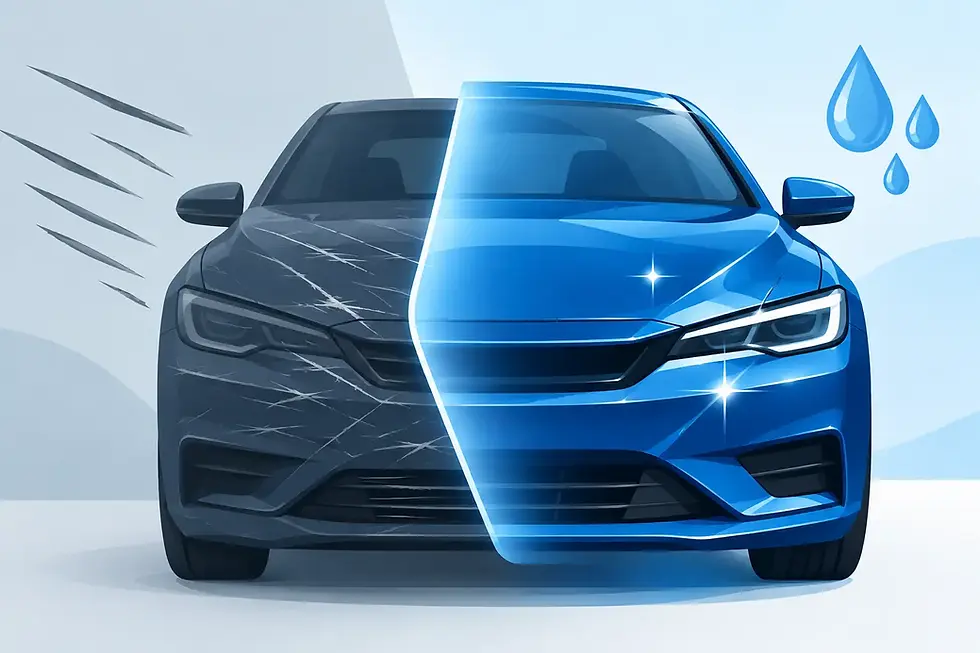
Washing does not remove swirl marks, oxidation, water-spot etching, or scratches that have damaged the clear coat. In fact, aggressive washing can add to those defects. If your paint looks hazy in sunlight, especially on black, dark blue, or dark gray vehicles, paint correction may be the service you are really after.
Paint correction uses machine polishing and carefully selected compounds to improve gloss and reduce visible defects. Results depend on paint thickness, color, defect severity, previous repairs, and the vehicle's age. A one-step polish can dramatically improve a daily driver, while heavier correction takes more time and may not be appropriate for every panel. A professional should inspect the paint before promising a percentage of correction.
Protection is not the same as shine
A fresh wash can look glossy because clean paint reflects light better. That shine is satisfying, but it does not automatically mean the paint is protected. Protection helps water, road film, bug residue, and other contaminants release more easily during future washes.
Spray sealants and waxes are useful short-term options. They are budget-friendly and work well for routine maintenance, but they wear away relatively quickly. Ceramic coatings are a longer-term investment that can improve gloss, make maintenance easier, and add durable chemical resistance when installed over properly prepared paint.
Ceramic coating is not a force field. It will not stop rock chips, prevent every scratch, or eliminate the need for washing. It performs best when the paint is corrected or at least thoroughly decontaminated first, then maintained with safe wash methods. For many daily drivers, a good sealant and regular details are the sensible choice. For enthusiasts, newer vehicles, or owners planning to keep a vehicle for years, ceramic protection can be worth the added cost.
Questions worth asking before you book
Do not be shy about asking what is included. A dependable detailer should be able to explain the process in plain language, including what happens to carpets, seats, wheels, paint, glass, door jambs, and odor concerns. Ask whether the service is mobile or in-shop, how long it takes, and whether water, power, weather, or parking access affects the appointment.
It also helps to ask about limitations. Deep scratches may need body-shop repair. Curb rash is not fixed by wheel cleaning alone. A lingering smoke smell may require more than one treatment. Honest answers are a good sign, not a sales problem.
If you drive a large SUV, truck, van, RV, or work vehicle, expect size-based pricing and potentially more time. More rows, more carpet, taller panels, larger wheels, and cargo areas all add real labor. The same is true for rideshare vehicles that see constant passenger traffic.
Get more from every detail
Before your appointment, remove valuables, documents, child seats if possible, and loose personal items. Tell the detailer about problem areas such as a spilled latte under the seat, a pet accident in the cargo area, or sap on the roof. Those details help them bring the right tools and set proper expectations.
Afterward, simple habits make a major difference. Shake out floor mats, wipe spills quickly, avoid automatic brushes when possible, and do not let bird droppings or sap bake on the paint. Keep a small trash bag in the cabin if your vehicle doubles as an office, family shuttle, or gear hauler.
At Slide In Mobile Detailing, the goal is not to sell every vehicle the biggest package. It is to match the condition of the car with the work it needs, whether that means a practical refresh at your location or correction and protection work at the Everett shop.
Your vehicle does not need to be showroom-perfect to deserve professional care. It just needs the right level of attention before the next rainy commute, family trip, client pickup, or hot date. Book the clean that solves the problem you have now, and your next wash will be a whole lot easier.


Comments